ApsûVoyage of a Thousand Books
Mappa di Apsû
Trova la risposta che ti serve

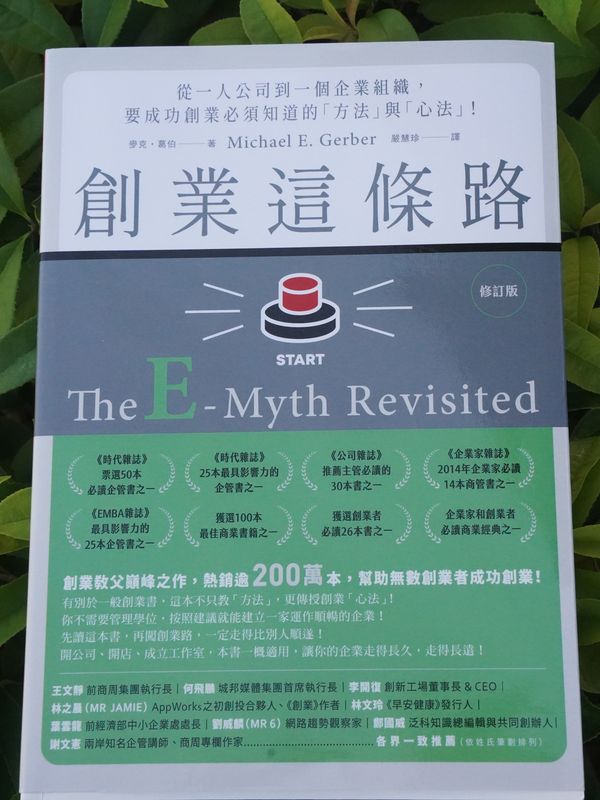
Noto business coach statunitense e fondatore di E-Myth
- Autore
- Michael E. Gerber
- Isola
- Phú Quốc
Prima di leggere, ascolta una canzone!
Prima di leggere, ascolta una canzone!
- ♪
- Uh… boss lady.
- Mm.
- Sáu giờ sáng mở cửa, nửa đêm chưa tắt đènSix a.m. I open up, past midnight the lights are still on
- Order nào chị cũng nhận, ai gọi chị cũng quenEvery order, I take it; whoever calls, I know them
- Nhân viên hỏi gì cũng "để chị", việc gì cũng chị xongWhatever the staff ask, it's "leave it to me"; every job, I finish it
- Đến khi gục trên quầy mới thấy quán trói chặt lòngTill I collapse on the counter and see the shop has my heart tied up tight
- Mm-hm. Lemme ask you somethin'…
- Girl, you runnin' that shop… or that shop runnin' you?
- Mơ một nghìn chi nhánh, mà một quán chị chưa xongDreaming of a thousand branches, and I can't get even one shop right
- Write it down, write it down — every step, every move
- Để mai chị vắng mặt, quán vẫn chạy như khôngSo one day when I'm gone, the shop runs like nothing's changed
- Cứ giao cho sổ tay —Just hand it to the playbook —
- Let it run, let it run!
- Đèn quán vẫn sáng đêm nay —The shop lights still burn tonight —
- Let it run, let it run!
- Chị không làm trong quán, chị làm chủ cuộc chơiI don't work in the shop — I own the game
- Who's the boss?
- Chị đây!Right here!
- She's the boss!
- ♪
- Một, hỏi đời mình muốn sống ra sao, đừng để quán nhốt mình vàoOne: ask how you want to live, don't let the shop lock you in
- Hai, mơ phải thành con số, đừng phó mặc cho số, nhớ nhaTwo: turn the dream into numbers, don't leave it to fate — remember that
- Ba, vẽ sơ đồ, giám đốc là chị, rửa ly cũng là chịThree: draw the org chart — I'm the director, and I wash the glasses too
- Bốn, viết thành sổ tay, người mới cầm lên làm y như chịFour: write it into a playbook, so any newcomer can do it just like me
- Cứ giao cho sổ tay —Just hand it to the playbook —
- Let it run, let it run!
- Đèn quán vẫn sáng đêm nay —The shop lights still burn tonight —
- Let it run, let it run!
- Chị không làm trong quán, chị làm chủ cuộc chơiI don't work in the shop — I own the game
- Who's the boss?
- Chị đây!Right here!
- She's the boss!
- Ayo, boss lady, sit down for a minute
- You built this from nothin', but you livin' all up in it
- Cook, cashier, cleaner — you wearin' every hat
- Every fire in the place, you the one runnin' back
- Step five: you don't need a genius on the payroll
- Regular folks with a playbook — watch 'em hold it down, though
- Step six: keep the dream, but the dream ain't the pitch
- They buy what they need, not the vision you wish
- Step seven: script the "hello", put a smile in the line
- Ask first, then listen — let 'em talk, take your time
- Seven steps, one system, now we run it back
- Bowl one thousand taste like bowl one — that's a fact
- You ain't workin' in it, baby, you workin' on it
- That's the difference 'tween a job and the freedom you wanted
- Lights on at the shop while you out with me
- Business on autopilot — now that's what I call free
- ♪
- Quy tắc đâu phải xiềng xích, chỉ là lời nhắc thôiRules aren't chains, they're just a reminder
- Hỏi han trước, lặng nghe sauAsk first, then quietly listen
- Điều khách giấu trong lòng — là tấm bản đồ đây rồiWhat customers hide in their hearts — that's the map, right here
- When you listen… they show you the way
- Cứ giao cho sổ tay —Just hand it to the playbook —
- Let it run, let it run!
- Đèn quán vẫn sáng đêm nay —The shop lights still burn tonight —
- Let it run, let it run!
- Cuối cùng chị sống cho đời chị, không chỉ quán thôiAt last I live for my own life, not just the shop
- Who's the boss?
- Chị đây!Right here!
- She's the boss!
- ♪
- Girl… the shop runs itself now.
- Ừ… đi thôi.Mm… let's go.
Welcome to Phú Quốc! The island is in Vietnam, so this song is written in Vietnamese — with an American rapper answering her in English. The style is modern V-pop meets American hip-hop, at 98 BPM.
It's a duet built on contrast. She runs her own little shop: a smoky, low voice with the weight of someone who has weathered a few storms — no sweet young thing. He is an American rapper with a deep, gravelly growl, and the first thing he asks her is: "Girl, you runnin' that shop… or that shop runnin' you?"
A signature low riff, played by slap bass and cello in unison, opens the song and comes back after every chorus and at the end, over bassoon and cello stabs, a heavy 808 and trap beats. In the middle comes a 16-bar solo on the đàn bầu, Vietnam's one-string monochord, which bends its single string until it sings like a human voice.
The lyrics follow the book's steps: from the owner who answers everything with "leave it to me" to the chorus line "Cứ giao cho sổ tay" — just hand it to the playbook. At the end he says, "the shop runs itself now," and she answers only: "Ừ… đi thôi" — mm, let's go.
A chi è consigliato questo libro?
- Professionisti esauriti o sottopagati che vogliono solo mollare tutto e mettersi in proprio
- Chiunque abbia il sogno di fare impresa
- Titolari che sentono di dover fare tutto da soli e sono sfiniti
Chi è l’autore?
- Noto business coach e autore statunitense
- Definito “il guru numero 1 delle piccole imprese al mondo” da Inc. Magazine
- Ha fondato E-Myth Worldwide (oggi Michael E. Gerber Companies), dedicando decenni ad aiutare innumerevoli titolari di piccole imprese a trasformare le loro aziende in sistemi
Altri libri dell’autore5
- The E-Myth Mastery
- Awakening the Entrepreneur Within
- The Most Successful Small Business in the World
- The E-Myth Manager
- The E-Myth Contractor
Appunti di lettura
01L’E-Myth (il mito dell’imprenditore)Forse non sei un imprenditore, ma un artigiano con un’aziendaAnteprima gratuita
Gerber sostiene che la maggior parte di chi avvia una piccola attività non è affatto un “imprenditore”. È un “tecnico colto da un raptus imprenditoriale”. Poiché è bravo in un mestiere preciso, pensa che conoscere il mestiere equivalga a saper gestire un’impresa, si butta ad aprirne una e finisce sommerso dal lavoro quotidiano.
Il libro dice che in ogni titolare convivono tre personalità in competizione:
- L’Imprenditore: sogna, guarda avanti, crea visione e strategia e progetta l’azienda come un sistema in grado di funzionare da solo.
- Il Manager: porta pianificazione, ordine e prevedibilità; costruisce i processi, tiene traccia dei progressi e mantiene la stabilità.
- Il Tecnico: fa il lavoro con le proprie mani, vive nel presente, ama “fare le cose per bene da sé” e spesso diffida di sistemi e deleghe.
La maggior parte dei titolari di piccole attività è più o meno “10% imprenditore, 20% manager, 70% tecnico”. Ecco perché tante piccole imprese restano bloccate: il titolare è occupato a lavorare, ma nessuno dirige l’azienda.
02Il ciclo di vita dell’impresaLe tre fasi di un’azienda – e la «gestione per abdicazione» che logora il titolareBloccato
03Il prototipo del franchising e la rivoluzione “chiavi in mano”McDonald’s non ha mai venduto davvero hamburger, ma un sistemaBloccato
04Il processo di sviluppo dell’impresaInnovare, misurare, orchestrare: tre passi per far migliorare il sistemaBloccato
05Il programma di sviluppo dell’impresa in sette passiDalla vita che desideri, progetta la tua azienda in sette passiBloccato
06L’appello dell’autore all’azioneImmagina che questo negozio sia il prototipo di altri 5.000. Cosa cambieresti?Bloccato
Bottiglie approdate a questo libro
Potrebbe piacerti anche




Shang
I libri di Shang
Guida del Navigatore
Questo mondo
Il Mare dei Libri conta 24 isole vere, una per ogni argomento. Ogni edificio su un’isola è un libro.
Cosa puoi fare ora
- Tocca un’isola sulla mappa per sbarcare
- Tocca un edificio per leggere gli appunti su quel libro
- Incontra Shang, il Navigatore
In arrivo
- Capitolo 2: registrati come navigatore, salpa con la tua nave, colleziona i distintivi degli edifici, lancia messaggi in bottiglia
- Capitolo 4: chat private con altri navigatori
Simboli
Registro del Navigatore
Prima di salpare, registreremo la tua nave.