ApsûVoyage of a Thousand Books
Mappa di Apsû
Trova la risposta che ti serve
Prima di leggere, ascolta una canzone!
- ♪
- Uma mala só, nada maisOne suitcase, nothing more
- deixei Tóquio para trásI left Tokyo behind
- Abro a janela sobre o FunchalI open the window over Funchal
- o nevoeiro beija o marthe mist is kissing the sea
- Arrumo os sapatos à portaI line up my shoes by the door
- como a minha mãe faziathe way my mother used to
ただいま — digo baixinho“Tadaima,” I say softly- à casa que ainda não é minhato a house that isn't mine yet
- No Mercado dos LavradoresAt the Farmers' Market
- peço pão —
パン — e sorrioI ask for bread — pan — and smile - esta palavra veio de naviothis word sailed away on a ship
- há quatrocentos anos, como eufour hundred years ago, like me
- A senhora diz “bom dia”The old woman says “good morning”
- e embrulha a fruta em papeland wraps the fruit in paper
- não preciso de quase nadaI hardly need anything at all
- só de um dia que seja fieljust a day I can trust
- Não vim aqui para mudarI didn't come here to change
- vim aprender a olharI came to learn to see
- Dan, sha, ri — deixa irDan, sha, ri — let it go
断・ 捨・ 離 —手放して - O que importa mora no diaWhat matters lives in the everyday
- tudo o que importa está aquiall that matters is right here
- Sigo a levada pela serraI follow the levada up the mountain
- a água sabe o caminhothe water knows the way
- o louro molha-me o rostolaurel leaves wet my face
- e eu já não tenho pressaand I'm in no hurry now
- Penso nas caixas que guardeiI think of the boxes I kept
- cheias de ontem, cheias de tifull of yesterday, full of you
- quanto pesa um coraçãohow heavy is a heart
- que ainda não sabe partirthat hasn't learned to leave
- Não vim aqui para esquecerI didn't come here to forget
- vim aprender a viverI came to learn to live
- ♪
- Na última caixa, uma cartaIn the last box, a letter
- a tua letra:
お 元気で - Guardo esta. Só esta.I keep this one. Only this one.
- O resto, deixo ao mar.The rest I give to the sea.
- Dan, sha, ri — deixa irDan, sha, ri — let it go
断・ 捨・ 離 —手放して - O que importa mora no diaWhat matters lives in the everyday
- tudo o que importa está aquiall that matters is right here
- Dan, sha, ri — deixa irDan, sha, ri — let it go
断・ 捨・ 離 —手放して - O que importa mora no diaWhat matters lives in the everyday
- tudo o que importa está aquiall that matters is right here
- Dan! Sha! Ri!
- Deixa ir, deixa irLet it go, let it go
断・ 捨・ 離 —手放して - Dan, sha, ri — deixa irDan, sha, ri — let it go
- Dan, sha, ri — está aquiDan, sha, ri — it's all right here
- Dan, sha, ri — deixa irDan, sha, ri — let it go
断・ 捨・ 離 —手放して - O que importa mora no diaWhat matters lives in the everyday
- tudo o que importa está aquiall that matters is right here
- Dan, sha, ri — deixa irDan, sha, ri — let it go
断・ 捨・ 離 —手放して - ♪
- O que importa mora no diaWhat matters lives in the everyday
- tudo o que importa está aquiall that matters is right here
- Da varanda, a vizinha diz “boa noite”From the balcony, my neighbor says “good night”
- e eu respondo:
ただいま and I answer: “Tadaima” - no silêncio do Funchalin the silence of Funchal
- ouço a minha mãe:
おかえり I hear my mother: “Okaeri” - ♪
Welcome to Madeira! This song is sung in Portuguese, in a style that blends bossa nova with Portuguese fado.
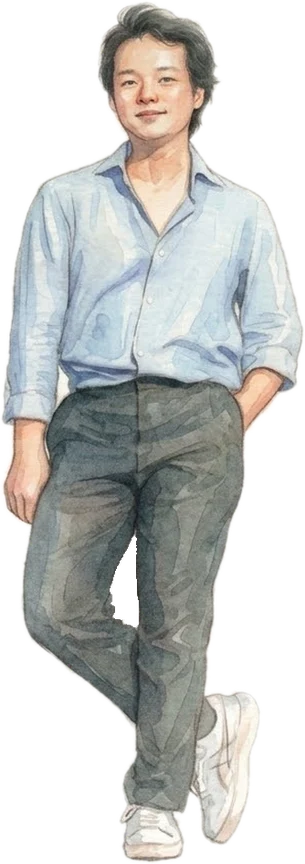
The lyrics follow Kenji, who has just lost his mother. He empties his home in Tokyo and, with a single suitcase, rents a little white-walled house on a hillside in Funchal, Madeira's capital.
At dawn he lines up his shoes, buys bread at the market and walks along the mountain water channels; at dusk he opens the last box and keeps only his mother's letter, the one that says “o-genki de” (take care). The chorus keeps singing “dan, sha, ri — let it go”: what matters has always lived in the everyday.
For the instruments, the Portuguese guitar (guitarra portuguesa) sings the main melody, while Madeira's own braguinha, rajão and viola de arame are gently plucked over a nylon-string bossa groove, upright bass, brushed drums and the Portuguese adufe frame drum. Japanese koto and shakuhachi add touches here and there. For the solo, a Portuguese folk fiddle, the rabeca, trades fiery lines with the guitarra portuguesa — my favourite part of the whole song!
Beyond the rich instruments, the catchy “Dan! Sha! Ri!” is the real highlight: it makes you want to dance! It feels like finally letting go of everything you carry and floating up into the clouds.
Appunti sui punti chiaveNon il testo integrale, ma l’essenziale: in pochi minuti cogli oltre l'80% dei punti chiave del libro, poi decidi se vale la pena comprarlo.
A chi è consigliato questo libro?
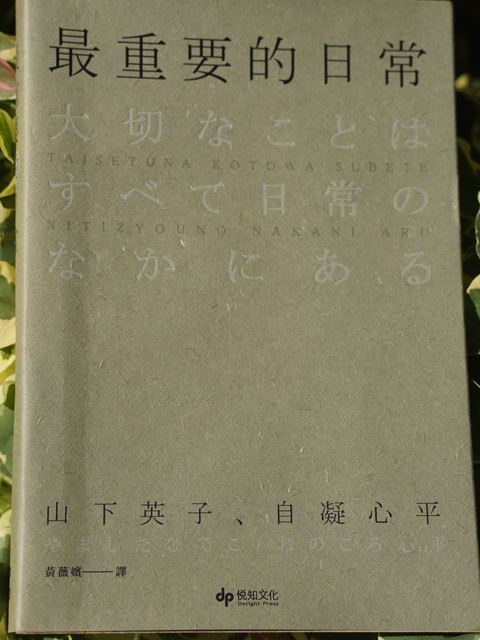
- Chi ha già letto o praticato il “danshari” e vuole estendere il riordino dalle cose alla vita e alla mentalità
- Chi vive giornate frenetiche e vuole ritrovare il gusto della vita quotidiana
- Chi ama i testi brevi da sfogliare, riflettendo su una voce alla volta
- Chi è interessato al legame tra corpo e mente e ai segnali delle emozioni e del corpo
Chi è l’autore?
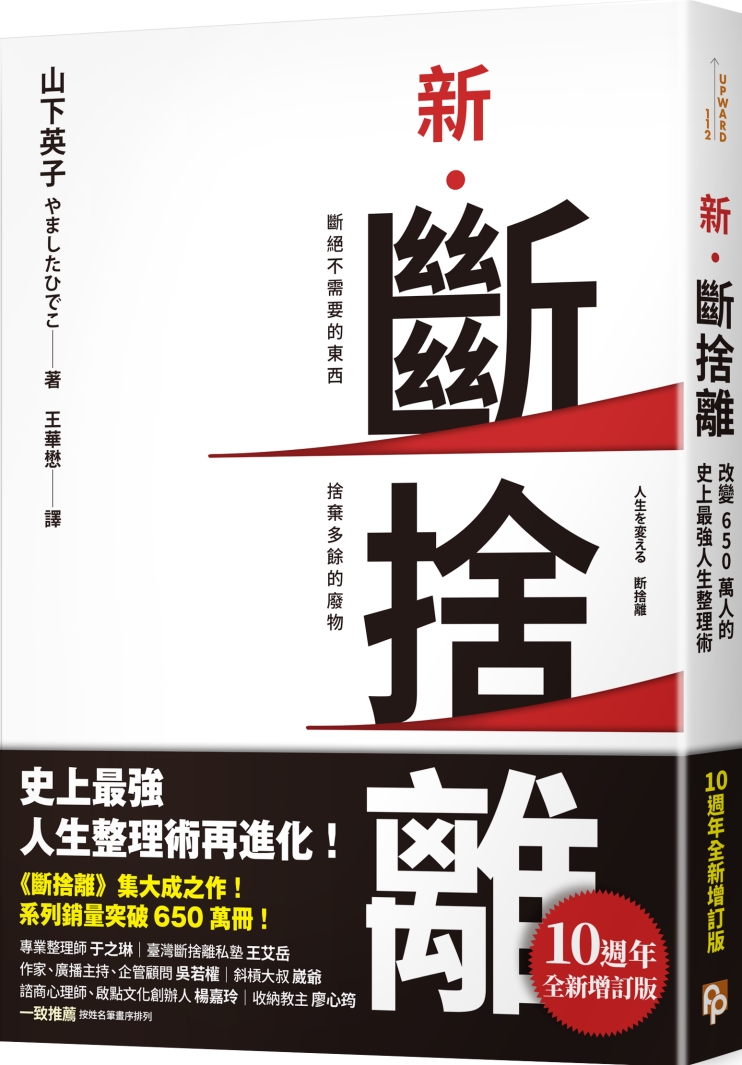
- Hideko Yamashita: ideatrice del “danshari” e consulente di gestione del disordine; laureata alla Facoltà di Lettere dell’Università Waseda, ha sviluppato il danshari da studentessa a partire dalle pratiche yoga di dangyō, shagyō e rigyō (rifiutare, gettare, separarsi)
- Il libro di Yamashita del 2009, Shin Katazuke-jutsu Danshari, ha fatto scoppiare una vera mania, e “danshari” è stata tra le candidate alla parola dell’anno 2010 in Giappone; la sua serie ha venduto oltre 6,5 milioni di copie in tutto il mondo, in 15 lingue
- Shinpei Onokoro: presidente dell’associazione Natural Healing School e counselor; laureato all’Università di Shiga, in circa 22 anni ha svolto oltre 23.000 consulenze su corpo e mente, per clienti come imprenditori, atleti e professionisti della sanità
- Questa è la prima raccolta di saggi scritta insieme dai due autori, pubblicata in Giappone da KANKI nel 2016
Altri libriHideko Yamashita: Shin Katazuke-jutsu Danshari (2009);Shinpei Onokoro: Byōki wa Sainō (Illness Is a Talent) (2011)
Appunti di lettura
Prefazione
Il filo conduttore del libro: se resti consapevole della tua vita di ogni giorno, nelle piccole cose di ogni giornata puoi trovare te stesso, la libertà e la felicità.
Sotto questo ombrello ci sono dieci temi:
- Riordinare e vivere
- Cose e spazio
- Parole e storie
- Corpo e mente: la mente
- Legami e relazioni
- Consapevolezza e creazione
- Corpo e mente: il corpo
- Schemi paralleli
- Cambiamento
- Evoluzione
Ogni tema contiene tante piccole perle di saggezza di vita. Su ciascun argomento i due autori dicono la loro, condividendo le proprie intuizioni e il proprio sguardo sulla vita, un po’ come in un podcast.
Non serve leggerlo dall’inizio alla fine. Quando la vita ti sembra caotica o qualcosa sta cambiando, prendilo in mano, aprilo e parti da una riga qualsiasi.
In questi appunti scelgo un’idea centrale per capitolo, accompagnata da qualche spunto più piccolo che richiede un po’ di riflessione per essere digerito.
Riordinare e vivere
Cose e spazio
Parole e storie
Corpo e mente: la mente
Corpo e mente: il corpo
Legami e relazioni
Consapevolezza e creazione
Schemi paralleli
Cambiamento
Evoluzione
Bottiglie approdate a questo libro
Potrebbe piacerti anche


Shang
I libri di Shang
Guida del Navigatore
Questo mondo
Il Mare dei Libri conta 24 isole vere, una per ogni argomento. Ogni edificio su un’isola è un libro.
Cosa puoi fare ora
- Tocca un’isola sulla mappa per sbarcare
- Tocca un edificio per leggere gli appunti su quel libro
- Incontra Shang, il Navigatore
In arrivo
- Capitolo 2: registrati come navigatore, salpa con la tua nave, colleziona i distintivi degli edifici, lancia messaggi in bottiglia
- Capitolo 4: chat private con altri navigatori
Simboli
Registro del Navigatore
Prima di salpare, registreremo la tua nave.